

 Local Weather Outlooks/Discussions (12)

Jospehine Event Related Links
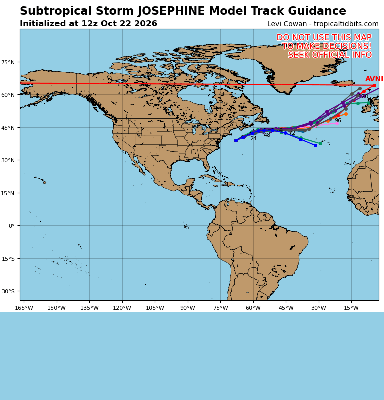
Tropical Tidbits Page on system
Flhurricane Satellite Floater Animation of Josephine
GOES Floater
Tomer Berg Info page for Josephine
CyclonicWx Page for Josephine
Clark Evans Track Model Plot of Josephine
(Animated!) Model Plots in Google Earth - In Google Maps
Clark Evans Intensity Model Plot of Josephine (Animated!)
Clark Evans Track Plot of Josephine
Clark Evans Top 10 Analog Storms for Josephine
http://www.ral.ucar.edu/guidance/realtime/current/ More model runs on from RAL/Jonathan Vigh's page
NRL Info on Josephine -- RAMMB Info
COD Atlantic Satellite View

MAJOR HURRICANE ISAIAS (ees-ah-EE-ahs)
Posted: 01:52 AM 06 October 2026 | 7 Comments | Add Comment | Newest: 05:18 PM 18-Oct EDT
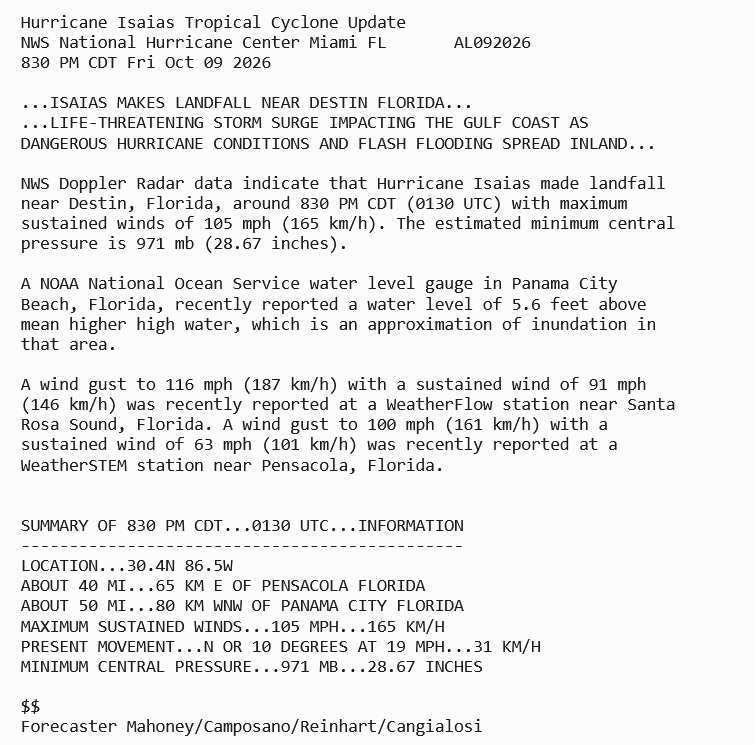
7:30AM CDT 9 October, 2026 Update
Data just received from the latest recon pass confirms that Isaias is now a Major hurricane with 120 MPH winds per special NHC update. Landfall is expected near Navarre Beach around midnight tonight.
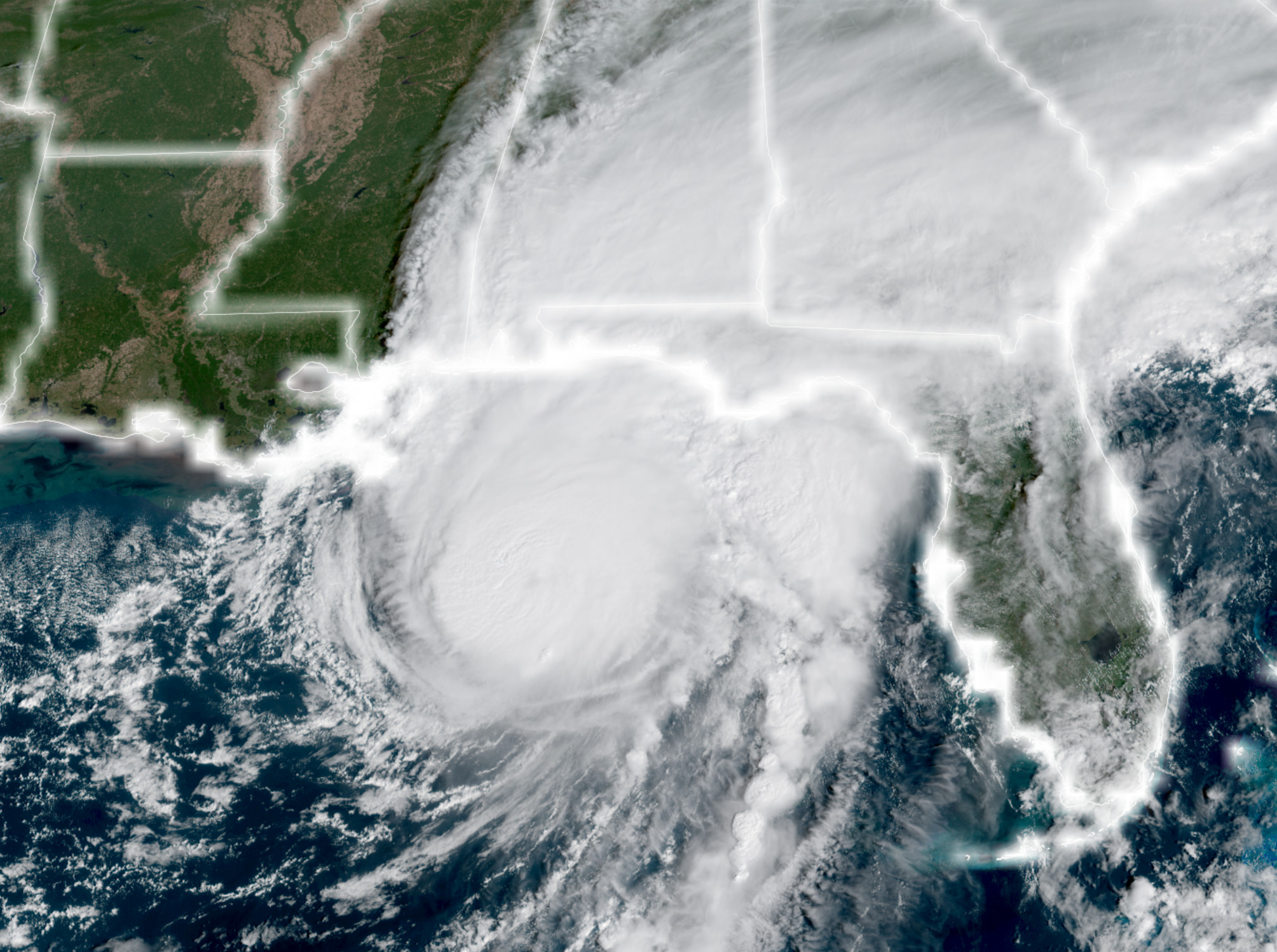
7:00AM CDT 9 October, 2026 Update
Isaias continues to slowly gain strength overnight and now is nearly a major hurricane, landfall now forecast at category 2 somewhere near pensacola late tonight or early pre-dawn tomorrow morning.
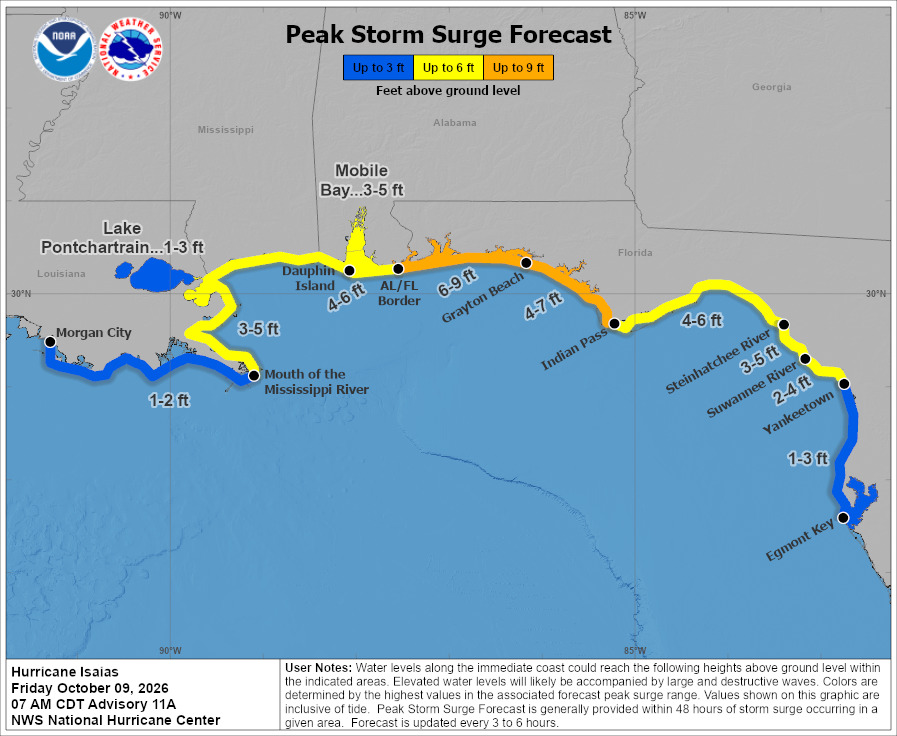
Storm surge estimates have gone up this morning to 6-9 ft in some areas.
5:00PM EDT 8 October, 2026 Update
Isaias is now a 100 MPH Cat 2 Hurricane. 91% of the high-quality Google DeepMind WNv3 ensembles take the cyclone to Major status, understandably, as a solid inner core has formed and the cyclone is traveling over the very deep loop current heading into night. Those in the Warned areas should have completed preparations to protect life and property or be just about done. Substantial life-threatening conditions possible in the north-central to northeast Gulf Coast and points inland are becoming more likely than not starting as soon as Friday afternoon or evening.
Ciel
11:45AM EDT 8 October, 2026 Update
Isaias is well on its way to becoming a Category 2 hurricane with a run for Major. While there are many indications that shear will induce a weakening trend from somewhat before to during landfall, this trend will almost certainly come too late to prevent significant, dangerous, even life-threatening impacts from surge, wind, flooding rain and tornadoes. Preparations to protect life and property within the warned areas should now be getting rushed to completion.
Ciel
11:45PM EDT 7 October, 2026 Update
Isaias has broken the 2026 Atlantic hurricane drought tonight and is now the first tropical cyclone in the basin to receive the title.
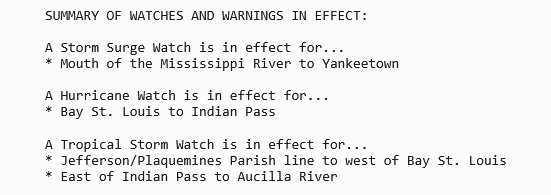
NEW WARNINGS
*HURRICANE WARNING from Ocean Springs, MS. to Bay/Gulf Co line in Florida
*STORM SURGE WARNING from the mouth of the Mississippi River to the Steinhatchee River, Florida
*TROPICAL STORM WARNING from Jefferson/Plaquemines Parish line, LA to west of Ocean Springs, MS
*TROPICAL STORM WARNING from east of Bay/Gulf Co line to Aucilla River, FL
*TROPICAL STORM WARNING for the remainder of the old Hurricane Watch zone
Ciel
5:15PM EDT 7 October, 2026 Update
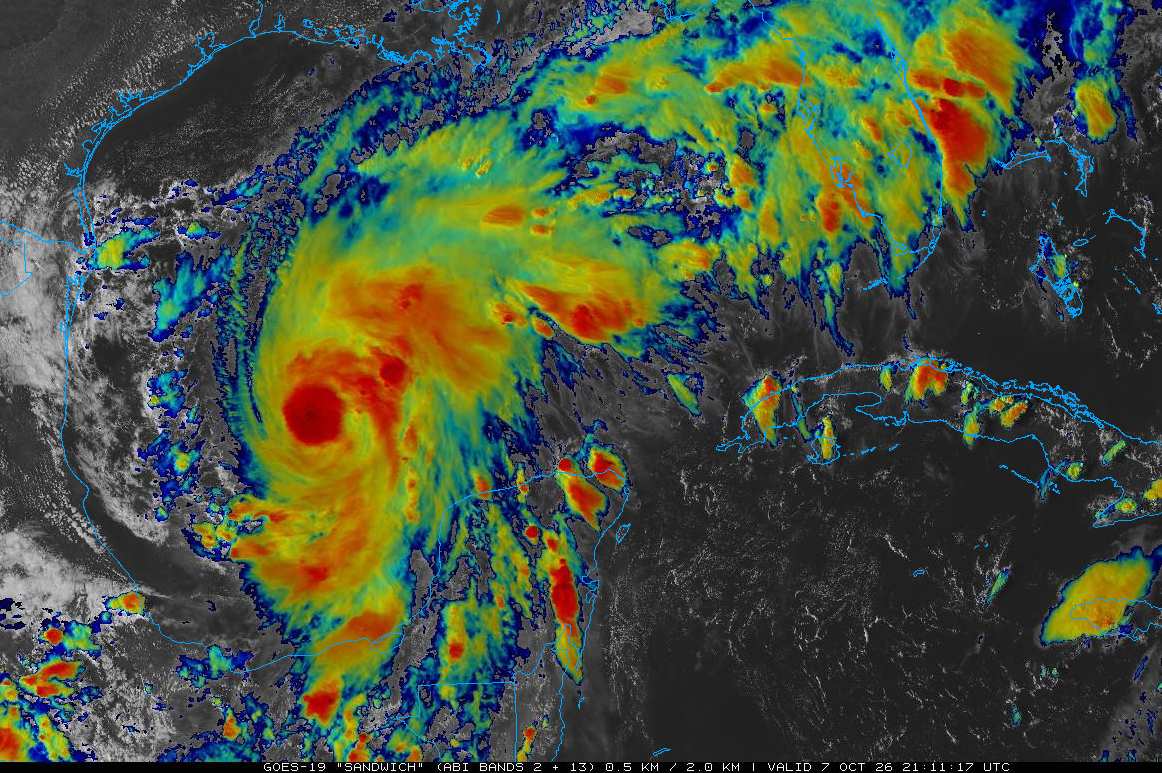
Isaias is now knocking on the door of becoming the first real-time hurricane of 2026. Hurricane and Tropical Storm Watches are expanding and Warnings will be coming very soon. The official NHC forecast now calls for Isaias to peak out just below Cat 3 prior to a weakening trend heading into landfall, but not a weakening trend that would happen quickly enough to stave off serious, life-threatening impacts.
Ciel
3:00AM EDT 7 October, 2026 Update
NINE (from 92L) has become Tropical Storm Isaias. Hurricane Watches and Warnings are likely very soon. Storm Surge Watches and Warnings likely very soon.
Ciel
1:00AM EDT 7 October, 2026 Update
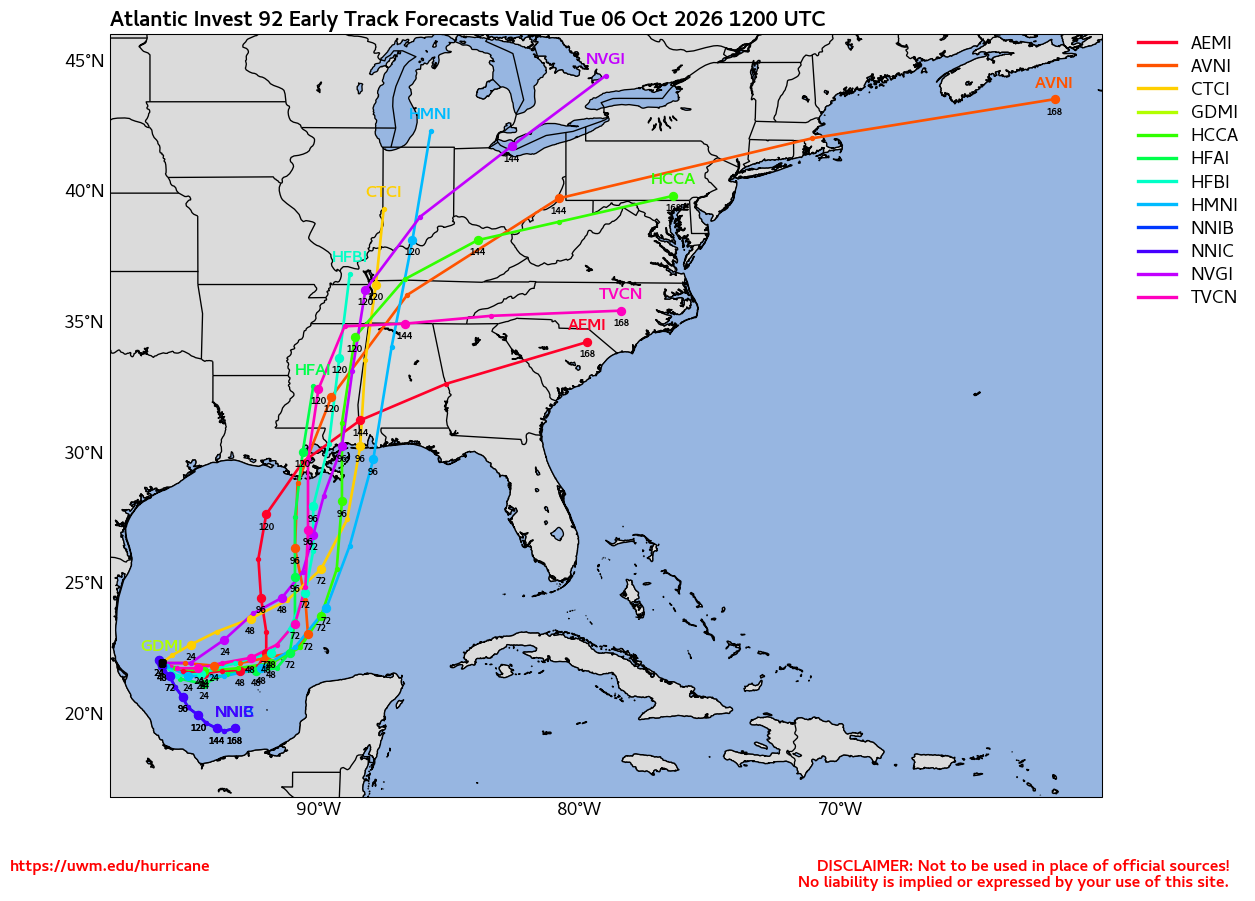
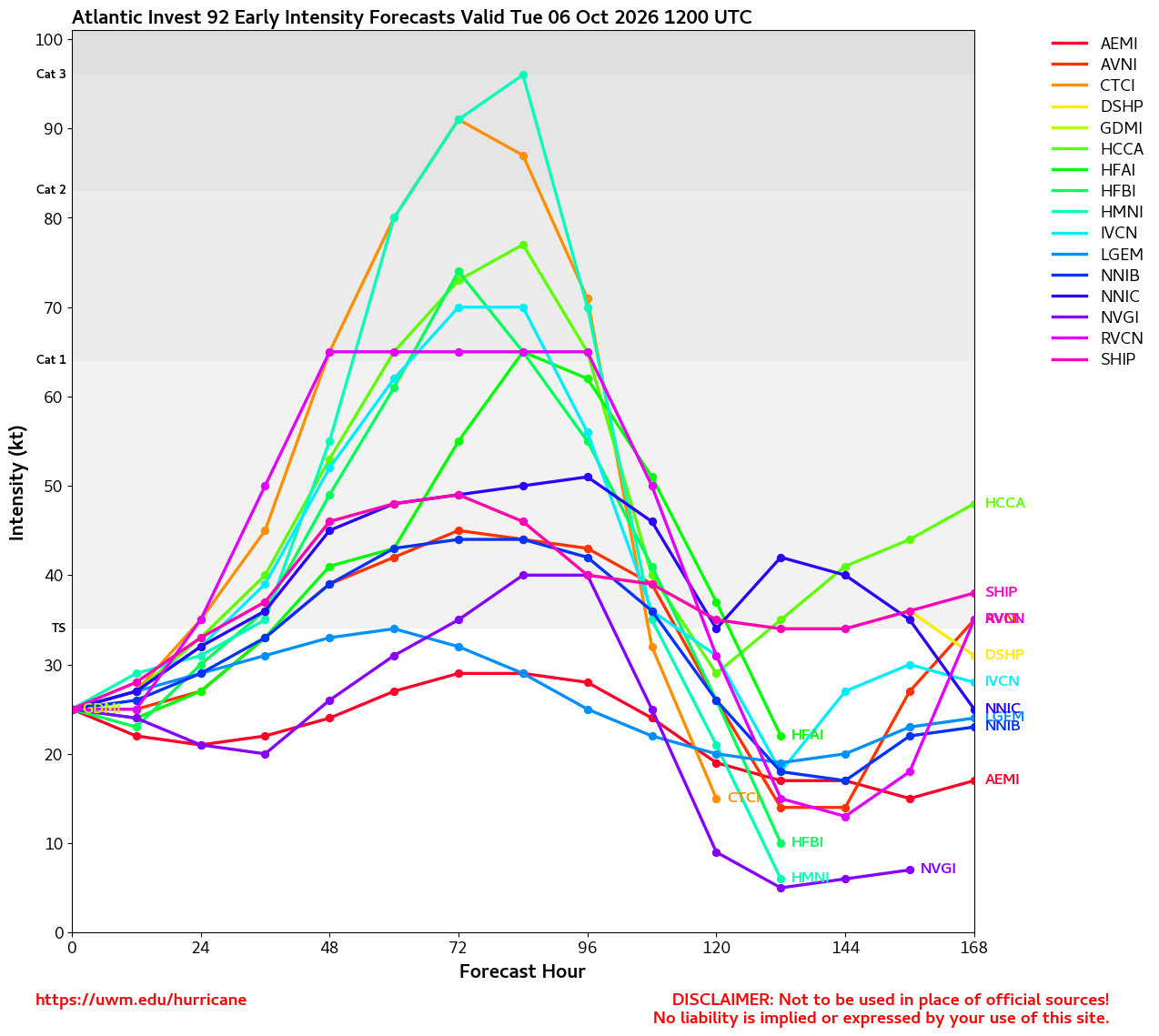
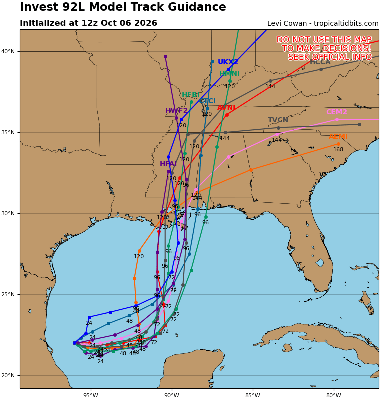
Models have ingested the first recon (upper air survey) mission's data and the 0z runs coming out are not providing any relief to hopes that those higher upper-bound intensity limits of future-Isaias were misguided. On the contrary, they confirmed them. Interests along the Gulf Coast from Louisiana to the Big Bend of Florida should begin paying very close attention to this fast developing situation. Hurricane Watches and Warnings could be coming soon and some right along the central to eastern Gulf may even be needing to consider evacuations if track and intensity guidance continues this trend.
Many more recon flights are scheduled for today. These missions will help NHC pinpoint the specific locations along the coast most at risk heading into the weekend. In addition to the apparent increasing likelihood of sustained hurricane-force winds and substantial storm surge right along potions of the coast, owing to both the expected intensity and forward speed of this cyclone, locations well-inland may be facing a serious wind event. Coupled with heavy rain, scattered to widespread downed limbs, trees and even power lines are almost a given, if the current forecasts verify. Modeling also suggests that this system may spawn an unusually high number of waterspouts and/or tornadoes.
Ciel
4:30PM CDT 6 October, 2026 Update
Invest 92L has become Tropical Depression NINE in the Bay of Campeche (SW Gulf). NHC has issued the very first Advisory calling for intensity to reach Cat 2 on the Saffir-Simpson Scale, which would make then-Isaias the very first hurricane in the Atlantic basin this year. Interests along the north-central to northeastern Gulf Coast and points inland should begin paying close attention as Watches and/or Warnings could be going up at any time.
Ciel
Original Update
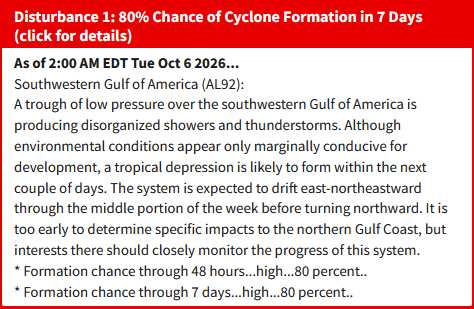
Above: NHC Oct 6, 2026 2AM EDT Tropical Weather Update on 92L
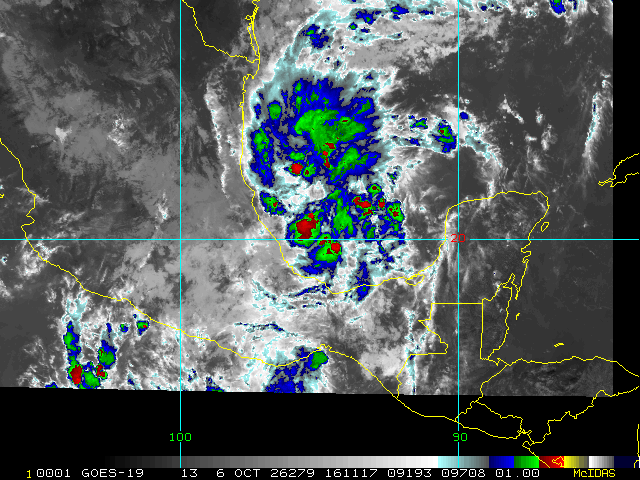
The Area of Interest we have been discussing for several days in the Forecast Lounge, now Invest 92L, has very robust, near unanimous model support for development, despite the presence of the strongest El Niño in recorded history. In reality, the next 48 to at most 72 hours is possibly crunch time for this system as if it doesn't get its act together by then, it may not have another window like this (just look at all the other Atlantic storms during the 2026 El Niño for reference).
92L is not yet a very well formed disturbance at all, and recon has not yet flown in. However, both could quickly change and in fact recon should be investigating 92L as soon as later today. Models strongly suggest that by then 92L should already have taken on more of a classic incipient tropical cyclone look, if not even be one. But, as NHC notes in the TWO above, at the moment it is still "too early to determine specific impacts to the northern Gulf Coast, but interests there should closely monitor the progress of this system." In non-NHC speak, Watches and Warnings could be going up along the northern Gulf Coast soon, just not as of 2AM EDT today.
Model deep-dives and analysis in the Isaias Forecast Lounge
Isaias Event Related Links
Tropical Tidbits Page on system
Flhurricane Satellite Floater Animation of Isaias
GOES Floater
Tomer Berg Info page for Isaias
CyclonicWx Page for Isaias
Clark Evans Track Model Plot of Isaias
(Animated!) Model Plots in Google Earth - In Google Maps
Clark Evans Intensity Model Plot of Isaias (Animated!)
Clark Evans Track Plot of Isaias
Clark Evans Top 10 Analog Storms for Isaias
http://www.ral.ucar.edu/guidance/realtime/current/ More model runs on from RAL/Jonathan Vigh's page
NRL Info on Isaias -- RAMMB Info
COD Atlantic Satellite View

Polo Recuruving into Northwestern Mexico and Southwestern United States
Posted: 11:41 PM 27 September 2026 | 3 Comments | Add Comment | Newest: 10:47 AM 29-Sep EDT
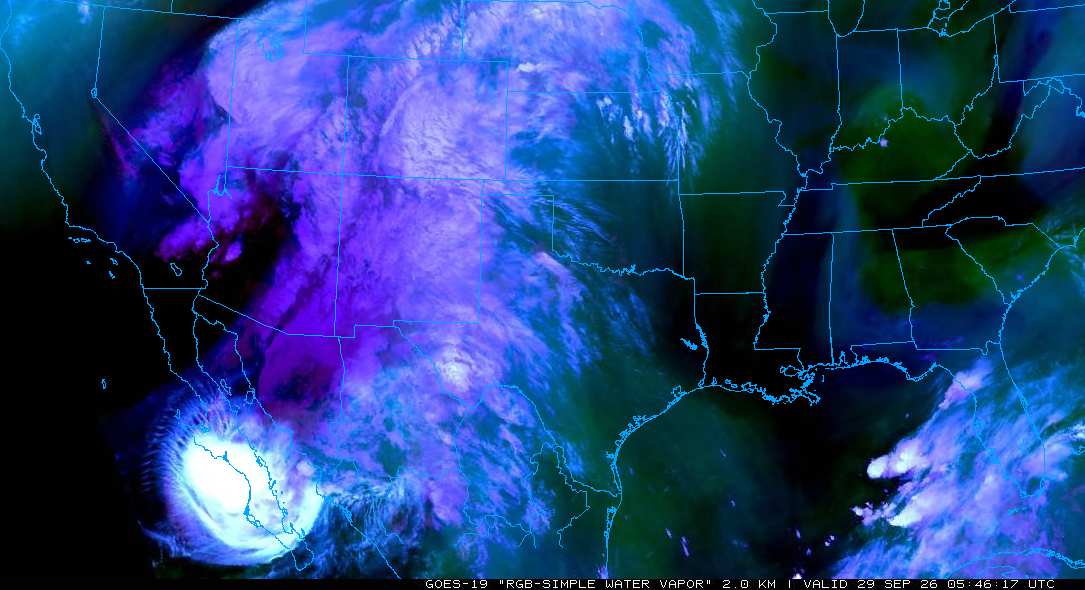
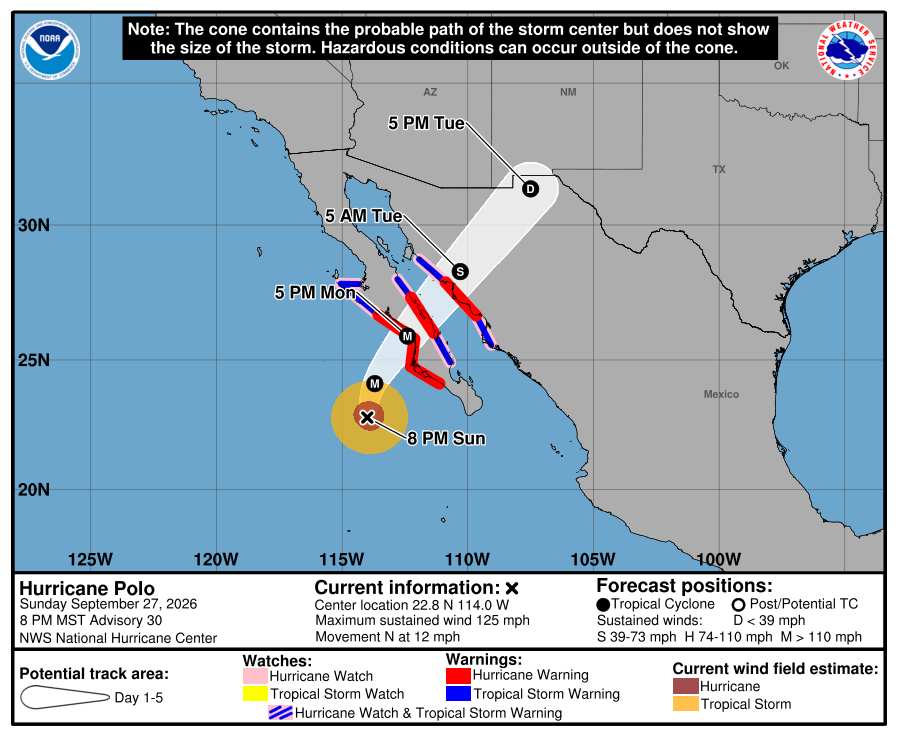
Hurricane Polo is making landfall, estimated by Dvorak techniques to be somewhere in the range of Cat 2/3 at landfall, officially Cat 3 as of last NHC Advisory. Some weakening should occur while quickly tracking over the narrow peninsula, then perhaps some leveling off or even reintensification while in the Gulf of California prior to second and final landfall in northwestern mainland Mexico. Forward speed in response to an approaching mid-upper level trof that is amplifying over the southwestern US should increase and the cyclone or its remnant lows could be crossing over into the United States around southern or southeastern New Mexico, or possibly as far east as extreme southwestern Texas, by Wednesday morning.
This is a dangerous setup for a very widespread, multi-day flash flooding event, and the Weather Prediction Center has already hoisted its largest ever Moderate Risk (level 3 out of 4) of Flash Flooding, and once fine details become clearer, zones of High Risk(s) are not out of the question. Locally catastrophic and life-threatening flash flooding within large swaths of the southwestern to central United States is on tap for the week ahead.
Ciel
Original Update
Another Pacific hurricane threatening the United States, this time from the southwest: Major Hurricane Polo.
Polo is likely to bring substantial direct and indirect impacts to the southwestern to central United States after making landfall twice on northwestern Mexico. Interests in and along the Baja California within the warned areas should be rushing preps to protect life and property to completion from a landfalling serious hurricane.
Once further inland, Polo and/or its remnants will track into the United States by way of New Mexico/eastern Arizona/western Texas, and combined with a Predecessor Rain Event (PRE), is set to produce widespread and potentially locally catastrophic and life-threatening flash flooding throughout multiple southwestern-central US and northwestern MX states.
More modeling on Hurricane Polo and deep-dive details into US flooding potential can be found in the Forum under "Other Storm Basins" Hurricane Polo (de facto Lounge)
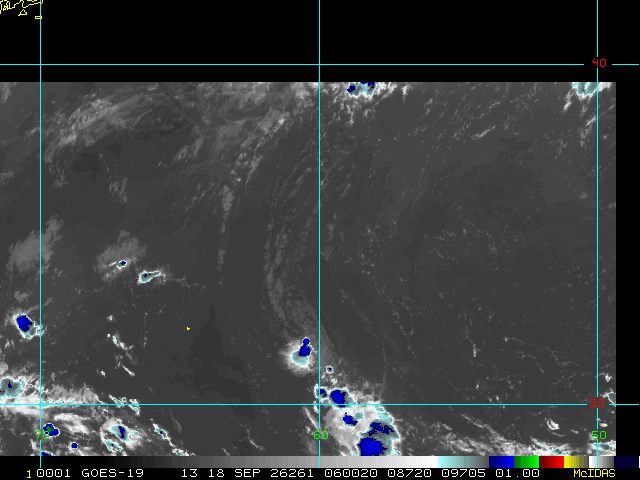
Elsewhere, now Major Hurricane Nolo continues pulling away from the Big Island of Hawaii to the west, while in the Atlantic, TD Fay and Invest 91L spin more fish. Gonzalo is falling apart in the far eastern Atlantic.
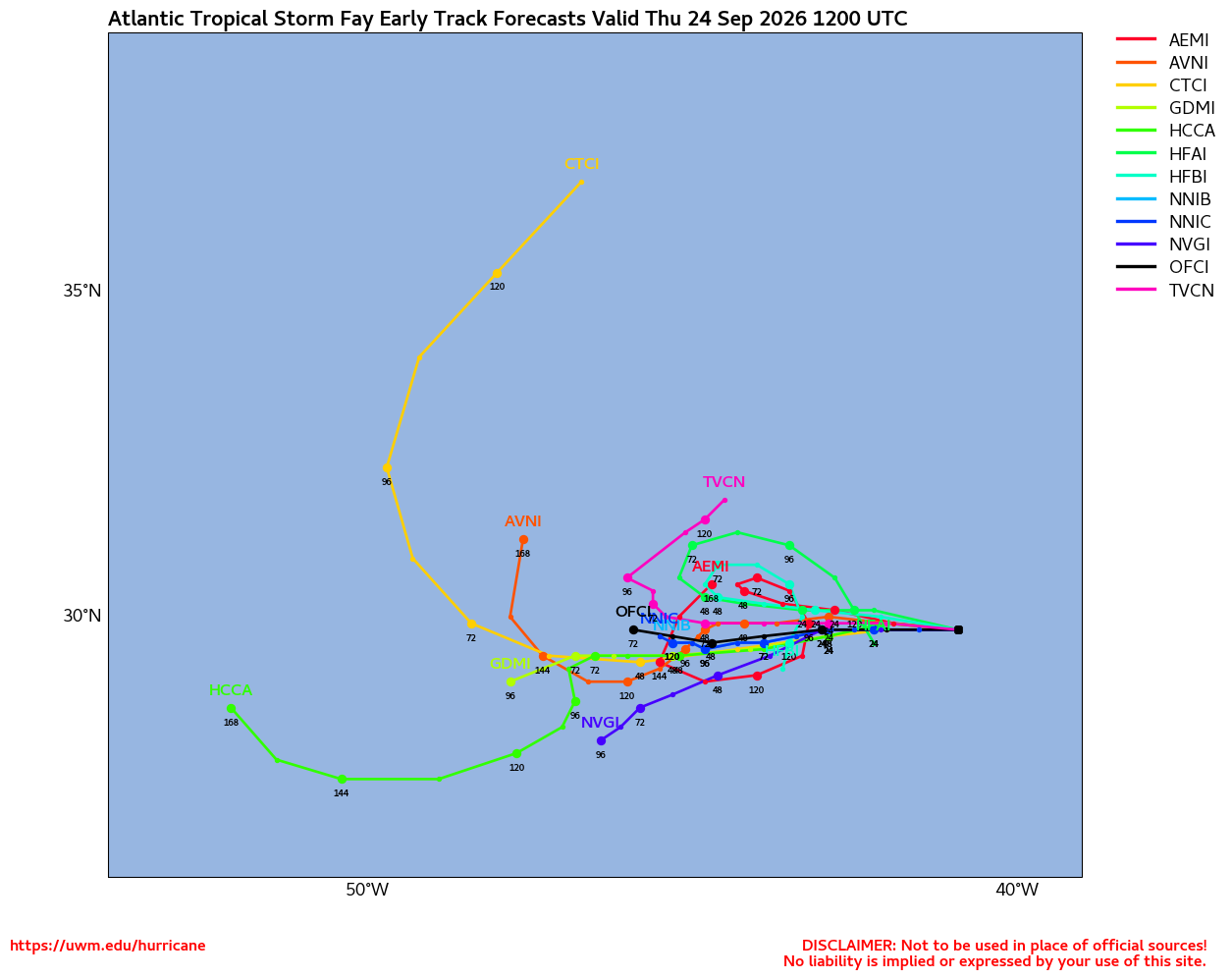
Fay Event Related Links
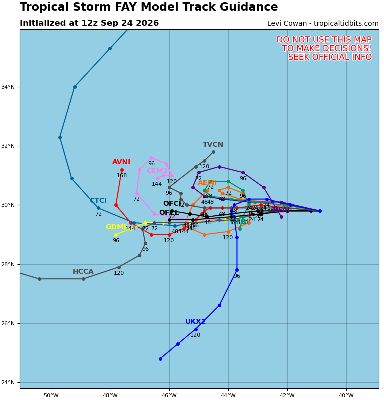
Tropical Tidbits Page on system
Flhurricane Satellite Floater Animation of Fay
GOES Floater
Tomer Berg Info page for Fay
CyclonicWx Page for Fay
Clark Evans Track Model Plot of Fay
(Animated!) Model Plots in Google Earth - In Google Maps
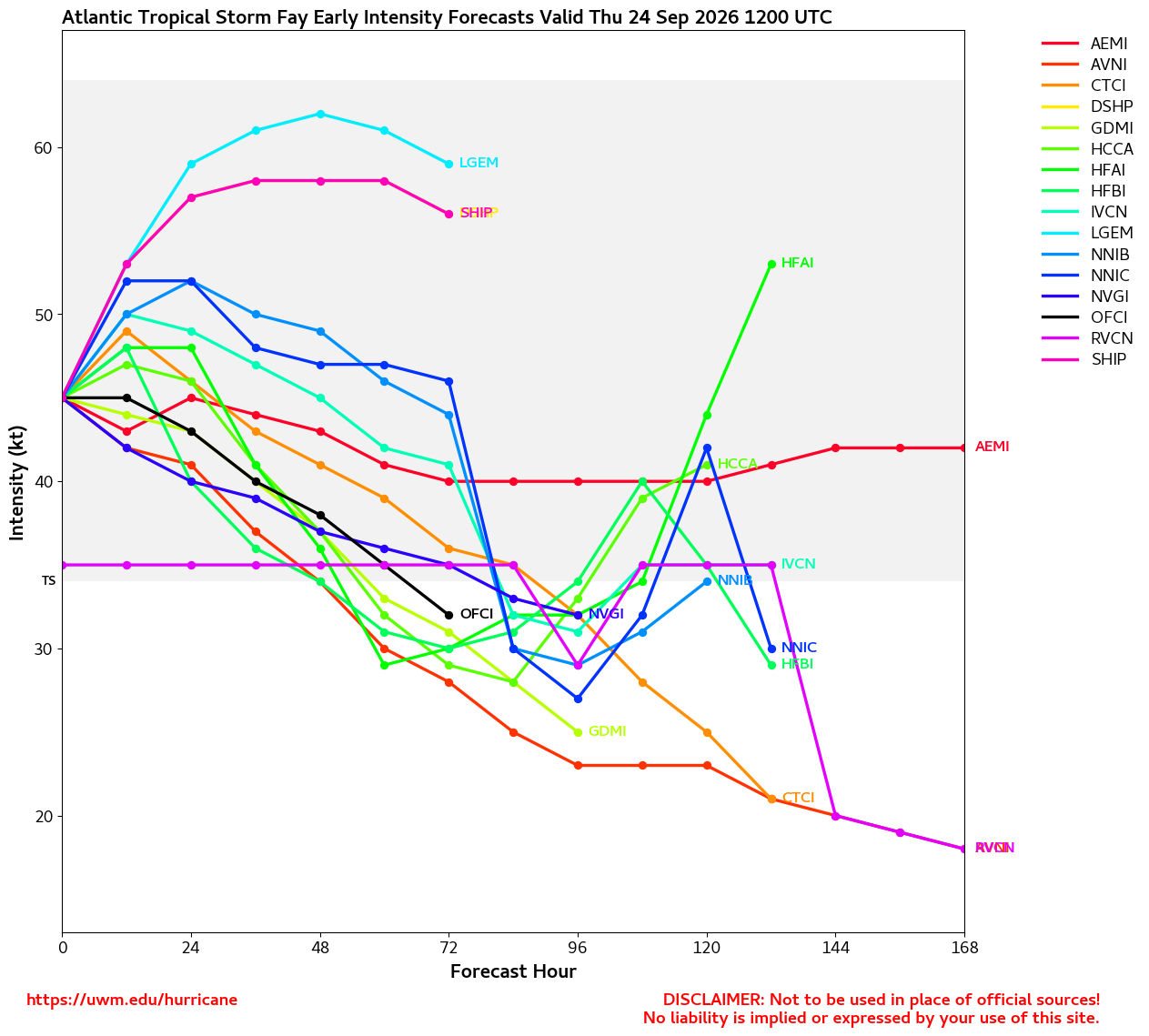
Clark Evans Intensity Model Plot of Fay (Animated!)
Clark Evans Top 10 Analog Storms for Fay
http://www.ral.ucar.edu/guidance/realtime/current/ More model runs on from RAL/Jonathan Vigh's page
NRL Info on Fay -- RAMMB Info
COD Atlantic Satellite View
Gonzalo Event Related Links
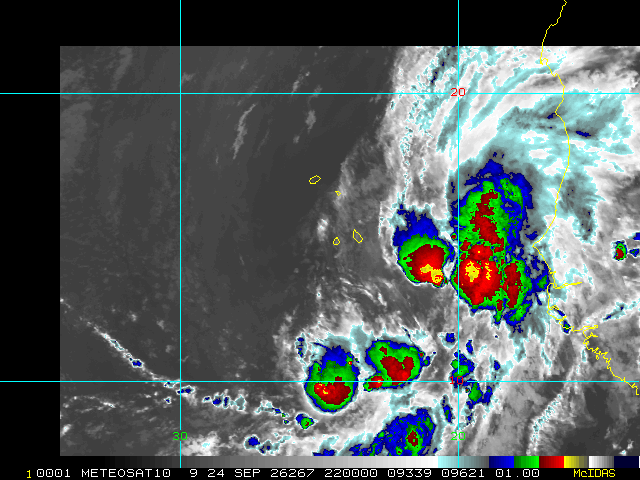
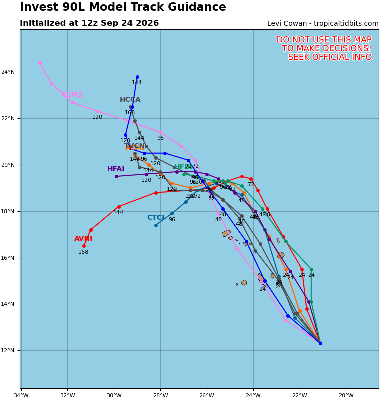
Tropical Tidbits Page on system
Flhurricane Satellite Floater Animation of Gonzalo
GOES Floater
Tomer Berg Info page for Gonzalo
CyclonicWx Page for Gonzalo
Clark Evans Track Model Plot of Gonzalo
(Animated!) Model Plots in Google Earth - In Google Maps
Clark Evans Intensity Model Plot of Gonzalo (Animated!)
Clark Evans Track Plot of Gonzalo
Clark Evans Top 10 Analog Storms for Gonzalo
http://www.ral.ucar.edu/guidance/realtime/current/ More model runs on from RAL/Jonathan Vigh's page
NRL Info on Gonzalo -- RAMMB Info
COD Atlantic Satellite View
Hanna Event Related Links
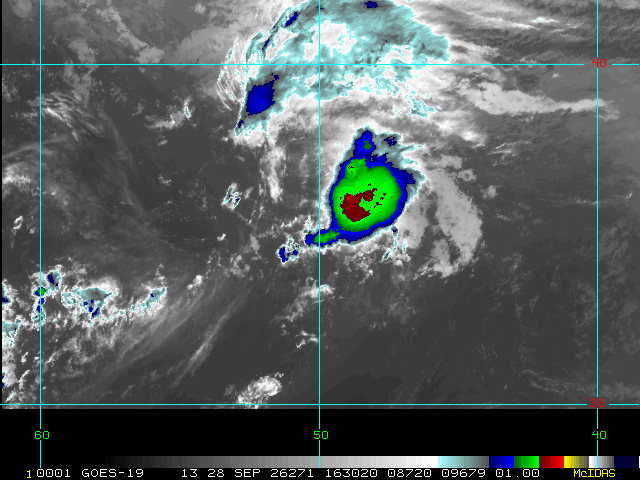
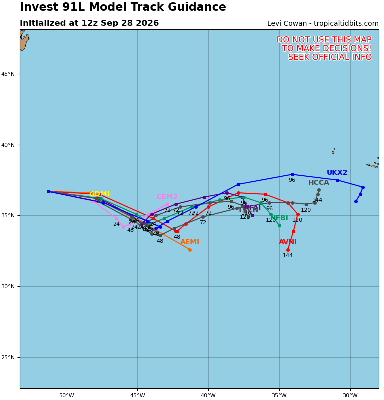
Tropical Tidbits Page on system
Flhurricane Satellite Floater Animation of Hanna
GOES Floater
Tomer Berg Info page for Hanna
CyclonicWx Page for Hanna
Clark Evans Track Model Plot of Hanna
(Animated!) Model Plots in Google Earth - In Google Maps
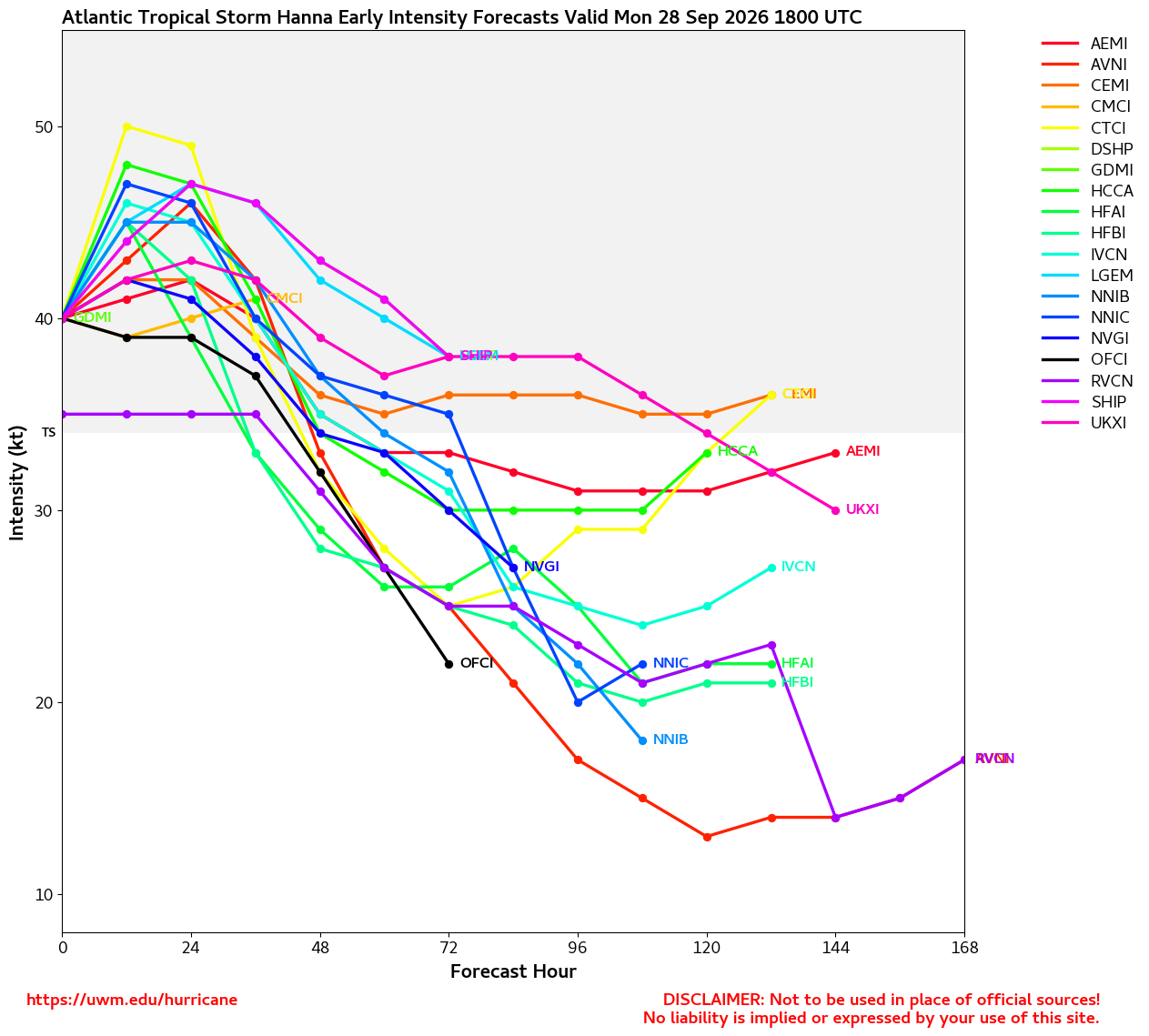
Clark Evans Intensity Model Plot of Hanna (Animated!)
Clark Evans Track Plot of Hanna
Clark Evans Top 10 Analog Storms for Hanna
http://www.ral.ucar.edu/guidance/realtime/current/ More model runs on from RAL/Jonathan Vigh's page
NRL Info on Hanna -- RAMMB Info
COD Atlantic Satellite View
Invest 92L Event Related Links


Tropical Tidbits Page on system
Flhurricane Satellite Floater Animation of 92L
GOES Floater
Tomer Berg Info page for 92L
CyclonicWx Page for 92L
Clark Evans Track Model Plot of 92L
(Animated!) Model Plots in Google Earth - In Google Maps
Clark Evans Intensity Model Plot of 92L (Animated!)
Clark Evans Top 10 Analog Storms for 92L
http://www.ral.ucar.edu/guidance/realtime/current/ More model runs on from RAL/Jonathan Vigh's page
NRL Info on 92L -- RAMMB Info
COD Atlantic Satellite View

Pacific Hurricane Watch in Hawaii. Atlantic Awakens.
Posted: 11:35 PM 23 September 2026 | 1 Comment | Add Comment | Newest: 03:51 PM 26-Sep EDT
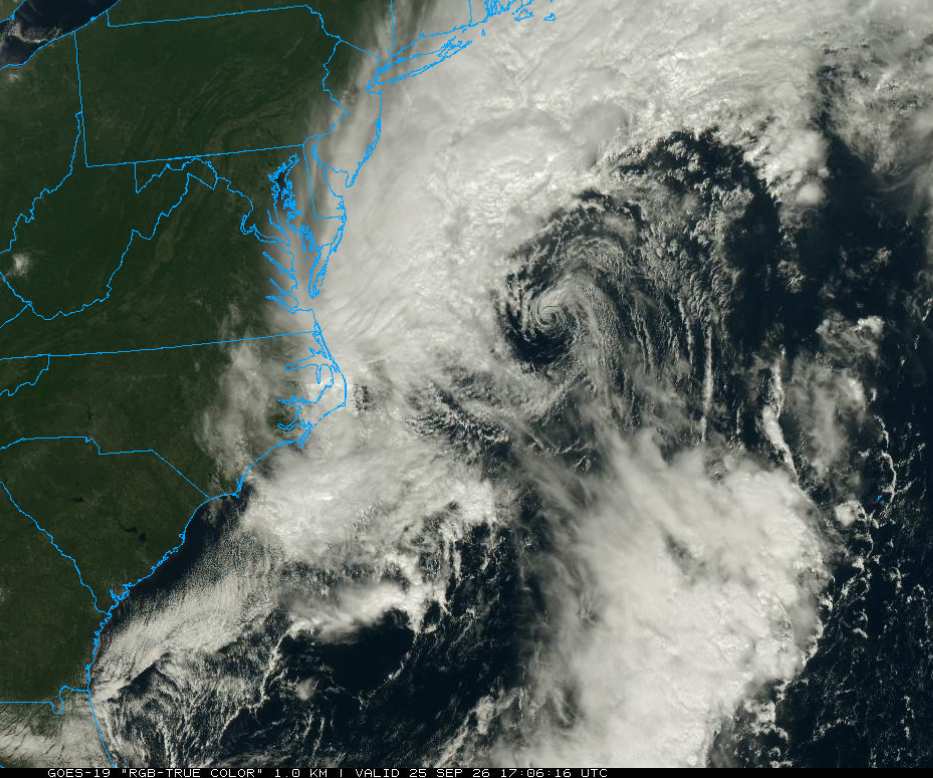
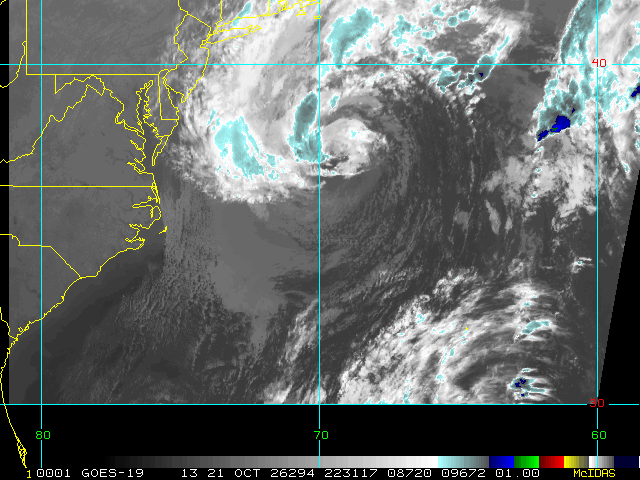
Models are converging on our coastal low nearing the Mid Atlantic and New England continuing to deepen and transition into a full hybrid. A couple of hi-res models earnestly want to have the cyclone become a hurricane, more or less. Regardless of technical classification, interests along the shore, offshore and just inland in and around New Jersey, New York, Rhode Island and Connecticut should prepare for a very strong coastal storm that given the time of year and also full moon, may result in sporadic to widespread downed limbs, downed trees, coastal inundation and power outages.
Ciel
10:30PM ET (4:30PM HT) 24 September, 2026 Update
There are some hi-res models advertising almost Rapid Intensification of the Gulf Stream coastal low and transition into a hurricane over the next day or two. Reminder, while possible, this is still in actuality a lower-probability outcome (but potentially very high impact if it verifies). Hi-res CAMs often do not handle tropical transitions well when systems are so close to shore, as they concurrently underestimate the frontal influences of being so close to land while also tending do overdo deep convection. Take them with a grain or two of salt. More modeling analysis on the coastal low (wet Nor'easter) can be found in the Forecast Lounge.
Elsewhere, Nolo is intensifying tonight and does indeed appear to be well on its way to becoming a Major while approaching the Big Island of Hawaii. Recon is now in the cyclone and this invaluable data will be fed into models. We can expect greater confidence in their output within the next couple of cycles.
Ciel
11:30AM ET (5:30AM HT) 24 September, 2026 Update
Nolo has stalled forward motion south of the Big Island in response to changing steering currents. The forecast right hand turn towards the north-northeast is likely about to commence. Recon has been scheduled to fly Nolo and will be collecting data invaluable to the models and forecasters working day and night to pin down the details, but in the larger picture, regardless of exact track and intensity, the state will be once again having a major flood risk event. Efforts to protect life and property should already be underway on the Big Island and Maui residents should consider getting ready.
The developing coastal low approaching New England continues having model support for a phase change to a shallow to modestly warm core structure. If verified, this could temporarily enhance both wind and rain potential significantly wherever this sets up and focuses the energy. More on this can be found in the Forecast Lounge
Ciel
Original Update
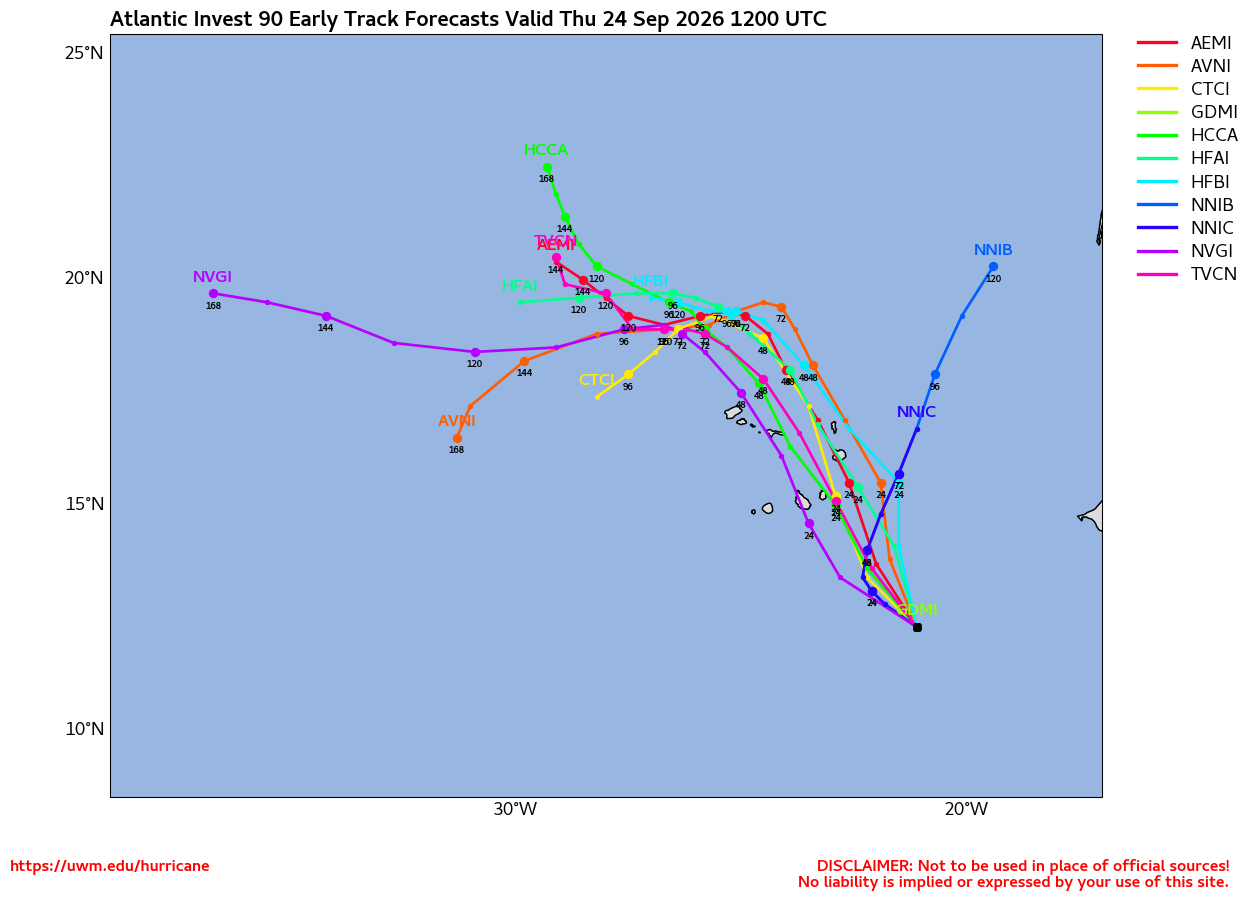
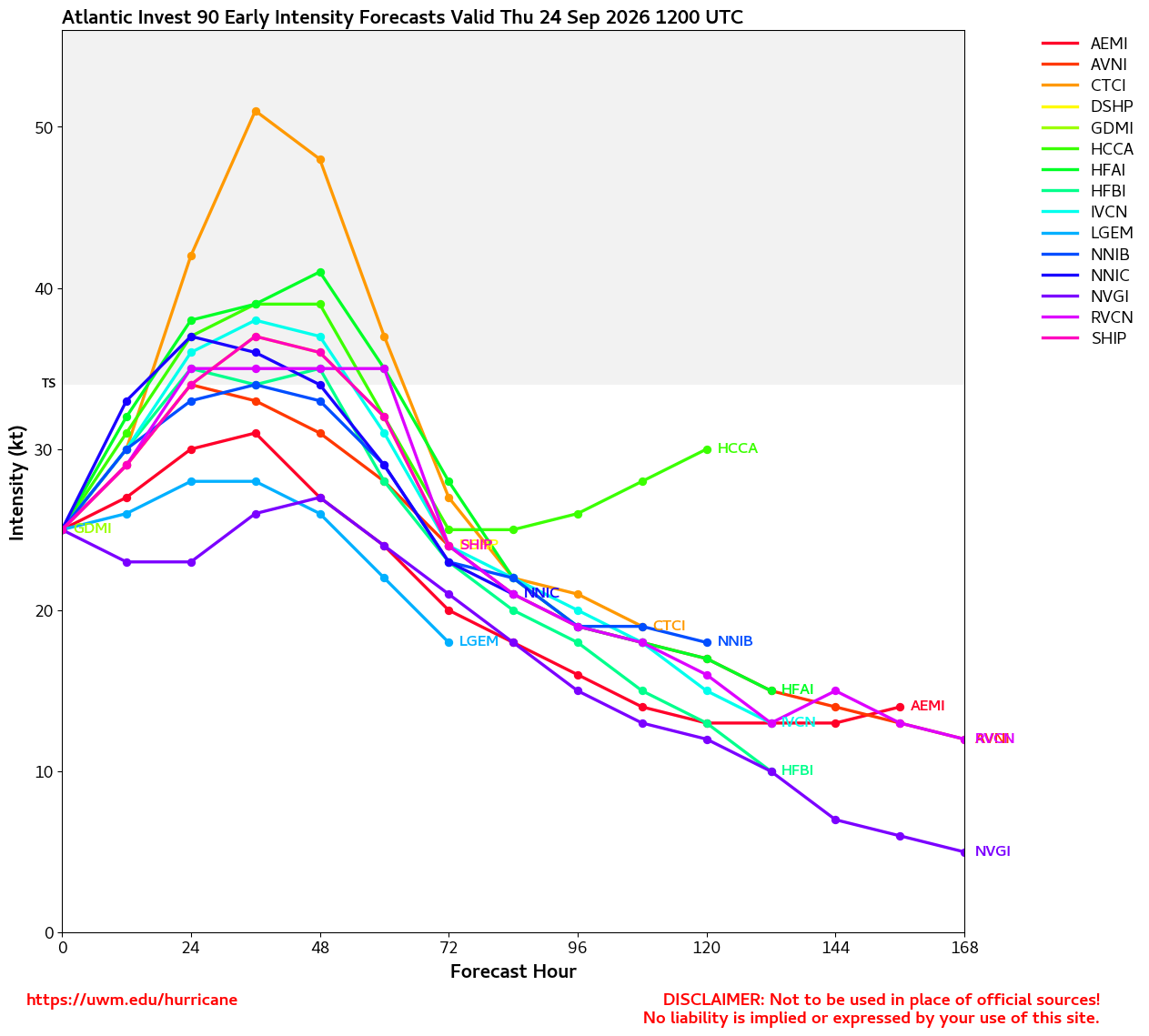
Rising air motions associated with a favorable MJO state are mostly helping turbo charge the already on fire central and eastern Pacific, but some increase in Atlantic basin activity has been underway the past couple of days, where Fay is still spinning fish, Invest 90L is more likely than not to directly hit the Cabo Verde Islands in the far eastern Atlantic as a TD or named storm and a non-tropical coastal low off the Mid Atlantic may acquire some warm core characteristics. But in reality, for a September, the Atlantic is looking very tame, especially compared to the Pacific.
This entry will include updates on Fay, 90L and the coastal low (with links to any relevant Lounges and such), but once again, the main show is Hawaii and increasingly possibly also Arizona-New Mexico-Colorado-Texas next week, from approaching tropical cyclone or cyclones from the west.
NOLO
HURRICANE WATCH NOW IN EFFECT FOR THE BIG ISLAND OF HAWAII
WARNINGS MAY GO INTO EFFECT SOON
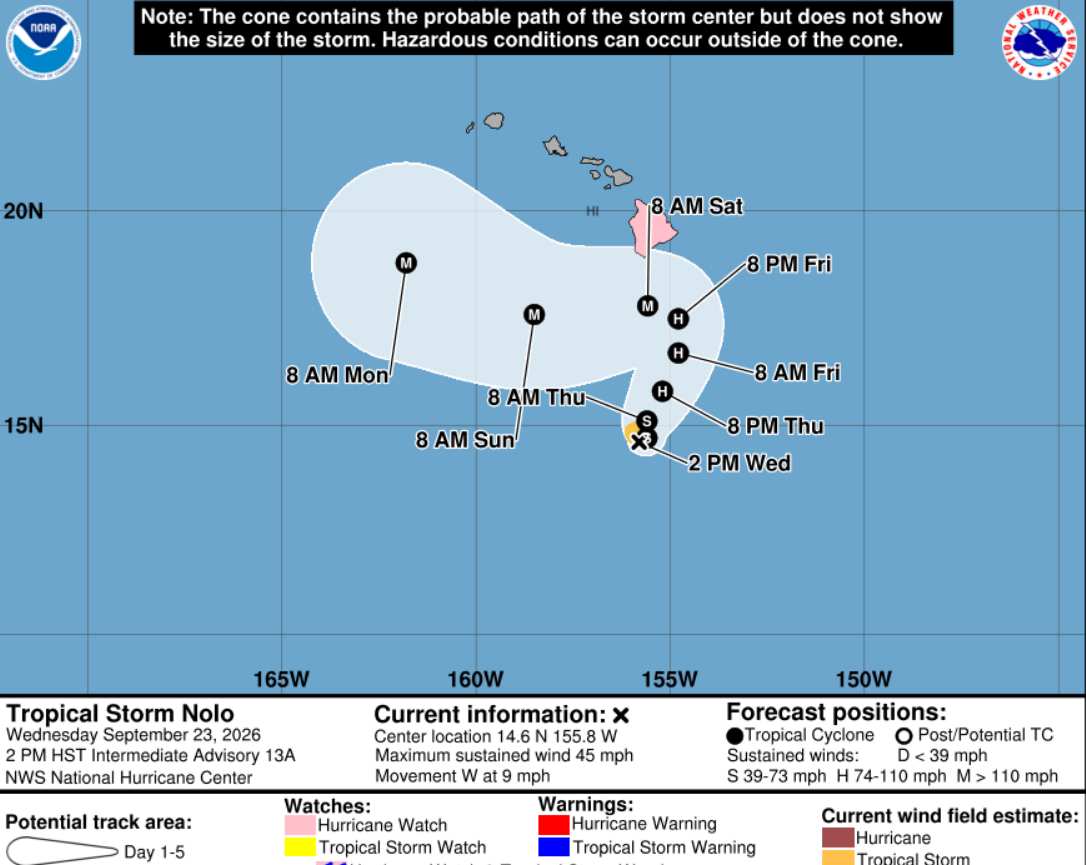
Tropical Storm Nolo is forecast to soon begin turning poleward, even tracking east of north, coming perilously close to the Big Island of Hawaii while also strengthening to what is now expected to be Major Hurricane status. Given the topography of much of the great state of Hawaii and susceptibilities to heavy rain and runoff, the cyclone wouldn't even have to come close enough to result in widespread wind damage to create another catastrophic event from yet another tropical cyclone this year. This would be Hawaii's third of the year.
Warnings are likely to go into effect for the Big Island by Friday. Current rainfall expectations for the island are widespread 15-20 inches and locally up to 35, resulting in potentially life-threatening flash flooding and mudslides. For track and intensity deep-dives, we have a Lounge already up for Nolo.
POLO
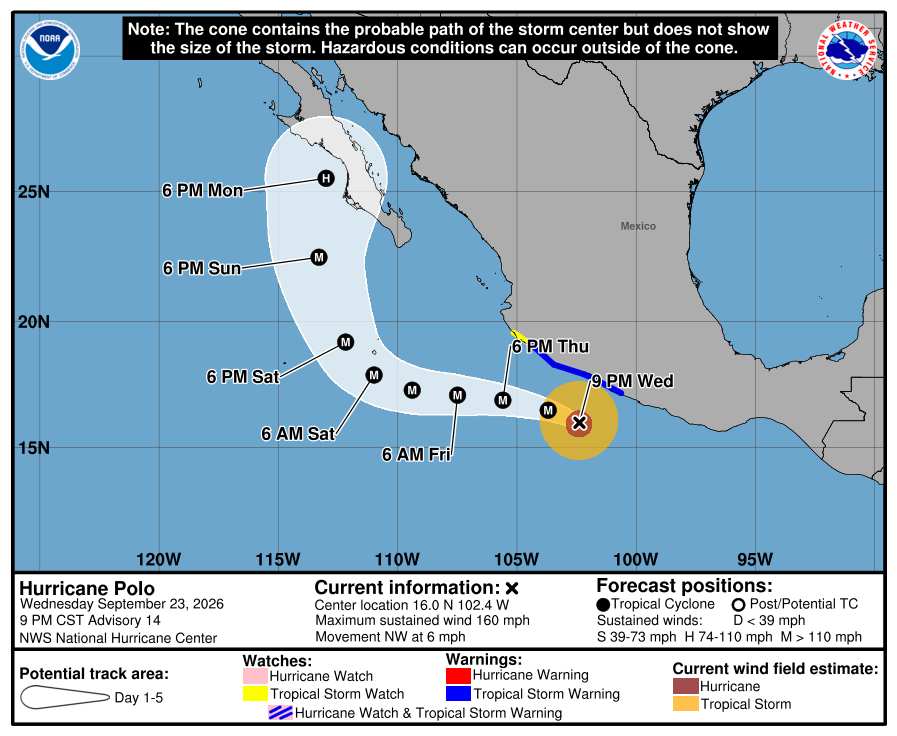
Category 5 Polo is presently located about 240 miles south-southeast of Manzanillo, MX, tracking northwest. Models increasingly insist that interaction with another approaching eastern Pacific hurricane as well as an approaching mid/upper-level trof will loop Polo back around and into the Baja. Regardless of whether or not the cyclone continues tracking northeast while maintaining much of its intensity, rounds and rounds of rain are already occurring and set to continue in the southwestern United States. Much more on Polo here, including longer range model deep-dives.
Fay Event Related Links
Tropical Tidbits Page on system
Flhurricane Satellite Floater Animation of Fay
GOES Floater
Tomer Berg Info page for Fay
CyclonicWx Page for Fay
Clark Evans Track Model Plot of Fay
(Animated!) Model Plots in Google Earth - In Google Maps
Clark Evans Intensity Model Plot of Fay (Animated!)
Clark Evans Top 10 Analog Storms for Fay
http://www.ral.ucar.edu/guidance/realtime/current/ More model runs on from RAL/Jonathan Vigh's page
NRL Info on Fay -- RAMMB Info
COD Atlantic Satellite View
Gonzalo Event Related Links
Tropical Tidbits Page on system
Flhurricane Satellite Floater Animation of Gonzalo
GOES Floater
Tomer Berg Info page for Gonzalo
CyclonicWx Page for Gonzalo
Clark Evans Track Model Plot of Gonzalo
(Animated!) Model Plots in Google Earth - In Google Maps
Clark Evans Intensity Model Plot of Gonzalo (Animated!)
Clark Evans Track Plot of Gonzalo
Clark Evans Top 10 Analog Storms for Gonzalo
http://www.ral.ucar.edu/guidance/realtime/current/ More model runs on from RAL/Jonathan Vigh's page
NRL Info on Gonzalo -- RAMMB Info
COD Atlantic Satellite View
Invest 91L Event Related Links
Tropical Tidbits Page on system
Flhurricane Satellite Floater Animation of 91L
GOES Floater
Tomer Berg Info page for 91L
CyclonicWx Page for 91L
Clark Evans Track Model Plot of 91L
(Animated!) Model Plots in Google Earth - In Google Maps
Clark Evans Intensity Model Plot of 91L (Animated!)
Clark Evans Top 10 Analog Storms for 91L
http://www.ral.ucar.edu/guidance/realtime/current/ More model runs on from RAL/Jonathan Vigh's page
NRL Info on 91L -- RAMMB Info
COD Atlantic Satellite View
Central Pacific Hurricane Center
Radar:
South Shore Big Island, HI Radar Radar Loop
(Latest Static)
Kohala, HI (Big Island) Radar Radar Loop (Latest Static)
Molokai, HI (Maui/Oahu) Radar Radar Loop (Latest Static)
Kauai, HI Radar Radar Loop (Latest Static)
Hawaiian Media:
TV:
Hawaii News Now KGMB 9 (CBS)/KHNL 13 (NBC)
Newspaper:
Hawaii 24/7 (Big Island Newspaper)
Other:
SEASON PEAK IN ATLANTIC RECORD QUIET AS ANOTHER HURRICANE THREATENS HAWAII (LOWELL)
Posted: 12:50 PM 07 September 2026 | 8 Comments | Add Comment | Newest: 04:56 AM 08-Sep EDT
The Tropical Storm Watch for Oahu has been upgraded to a Warning as Lowell continues tracking substantially right of official forecast and model guidance and the odds that Hurricane Lowell leads to significant impacts across all of Hawaii are going way up. Efforts to protect life and property from flooding state-wide and wind in the west and also on higher elevations should be getting rushed to completion.
Ciel
Original Update
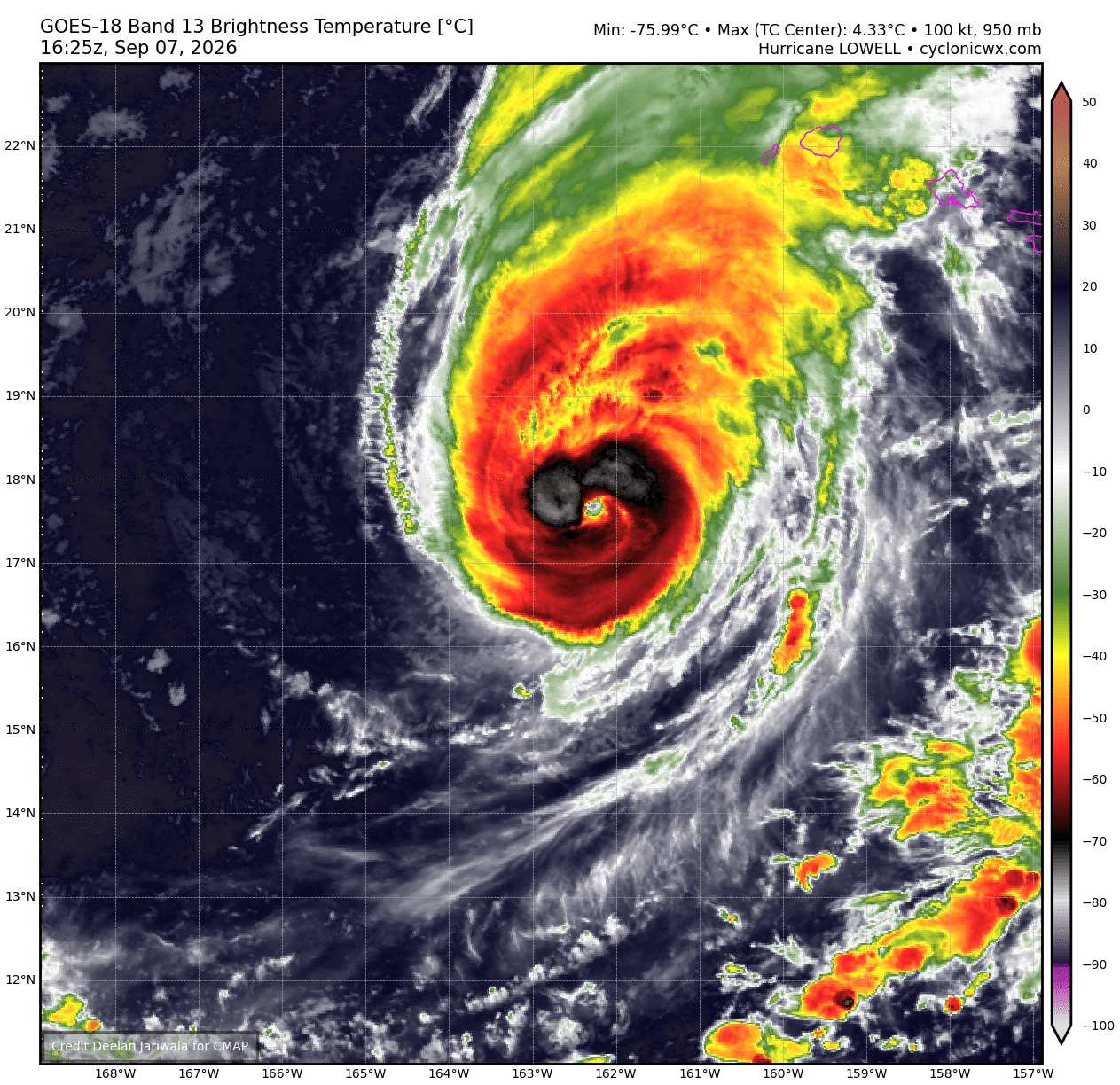
Above: Major Hurricane Lowell while tracking north-northeast towards Hawaii. Credits: Deelan Jariwala and cyclonicwx.com
With the exception of home-grown Edouard sneaking past many models to become a formidable tropical storm in the western Gulf, the Atlantic basin has otherwise been incredibly quiet so far during the heart of hurricane season. This is not the case in the Pacific with yet another hurricane heading towards the great state of Hawaii.
As of Sunday September 7, 2026 500 AM HST, Hurricane Lowell was located near 17.5N 162.6W, now tracking north-northeast around 14 mph. Hurricane Warnings are now up for Kauai County, including the islands of Kauai and Niihau and also the Papahanaumokuakea Marine National Monument from Nihoa to French Frigate Shoals. A Tropical Storm Watch has been issued for Oahu.
Lowell is a formidable hurricane and still a Major as of this update. The hurricane has been a Category 5 and despite 'weakening' in quotes, much of this energy does not rapidly go away with the decrease in category and interests in the hurricane warned portions of western Hawaii should begin rushing preparations to protect life and property to completion.
Lowell is producing impacts over a large area and the Big Island of Hawaii, even miles and miles away from the center, will likely experience flash flooding yet again. Some flooding has already begun from Lowell across the islands.
An additional 6 to 10 inches for Kauai, is forecast, locally 16 inches possible. For the Big Island, 4 to 8 inches of rain likely, locally up to 12 inches. Oahu and Maui counties can expect up to 8 inches, also locally higher.
We have Lounge two threads for Lowell ongoing in the Forums (Other Basins - General discussion) and a (Lounge - More modeling)
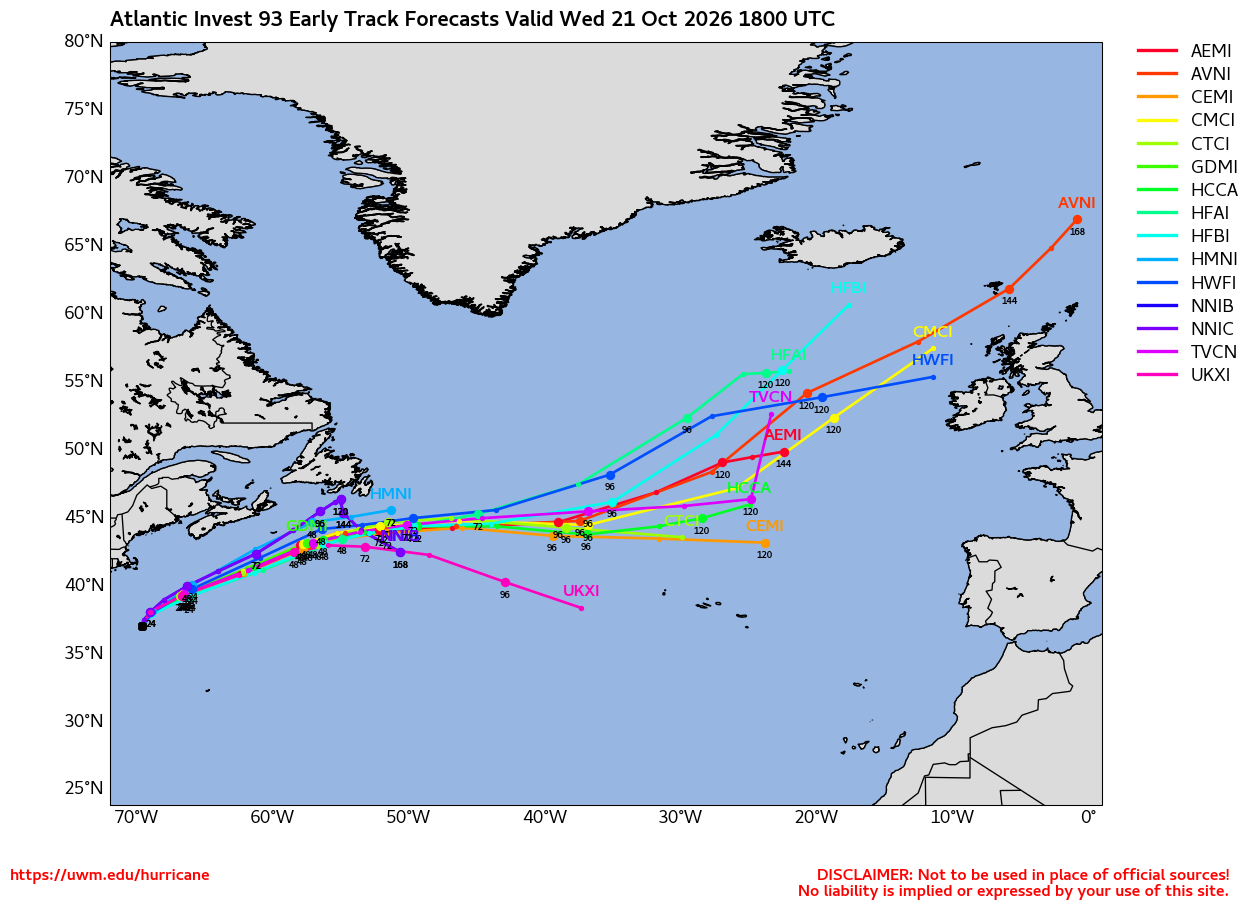
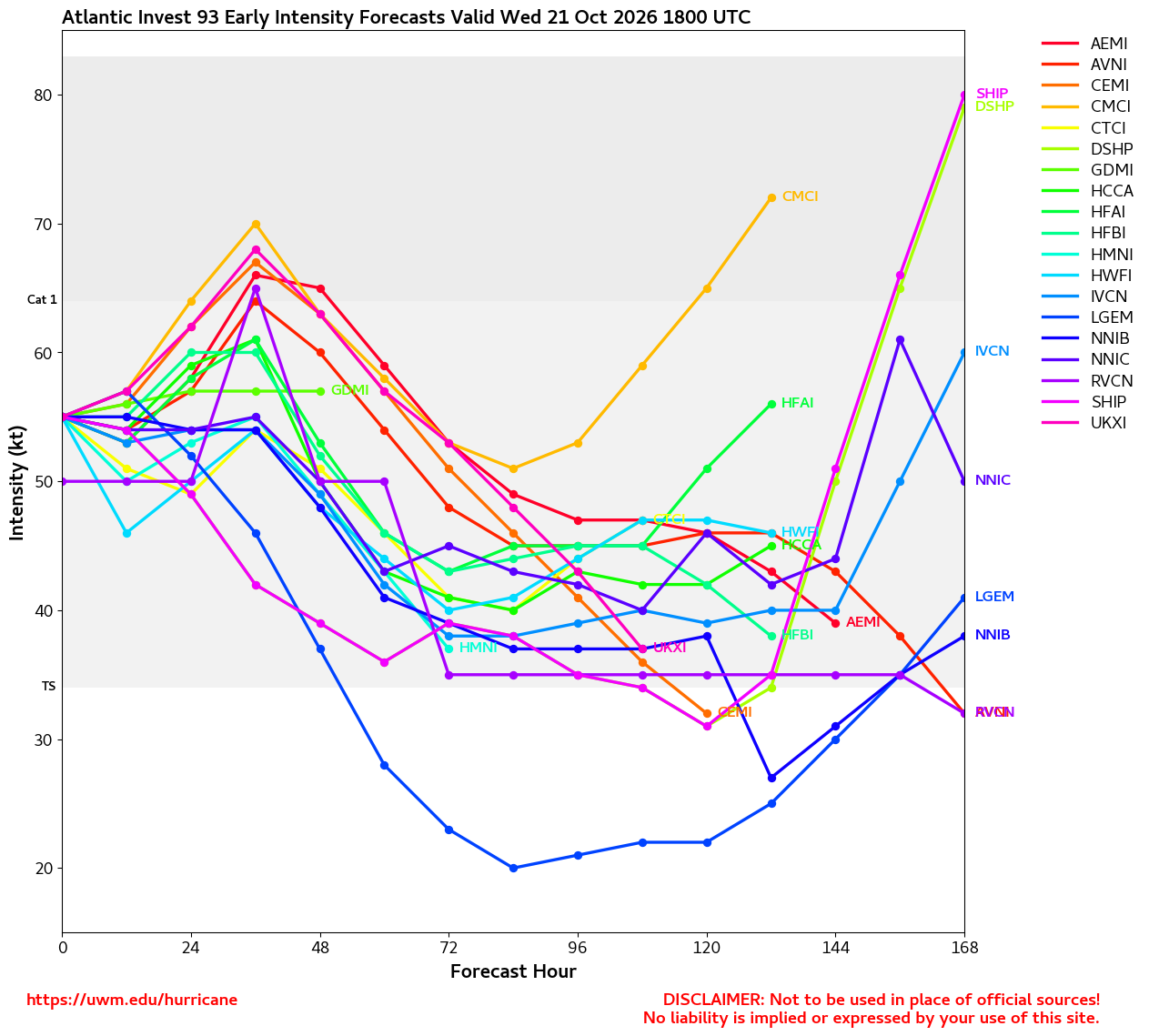
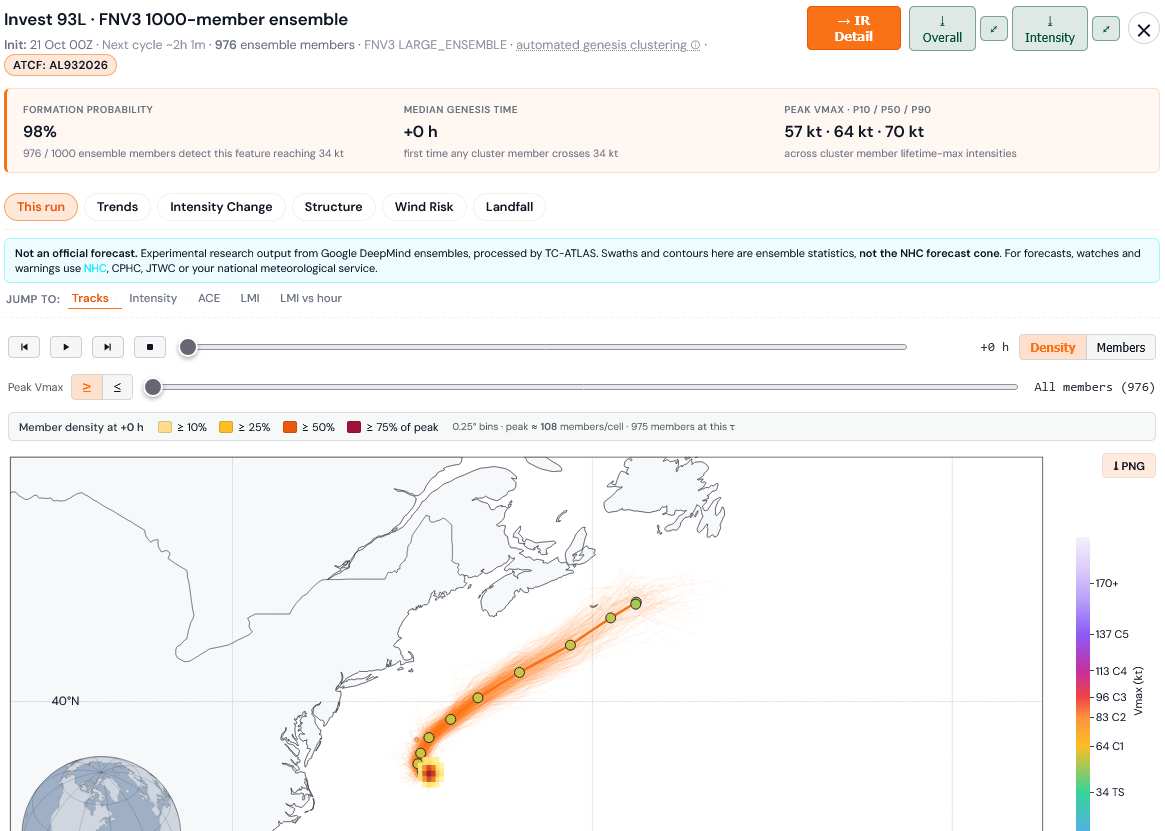 Re: 93L Lounge10-21-0z DeepMind FNv3 1000-member ensemble now at 98% development odds. Out to sea.
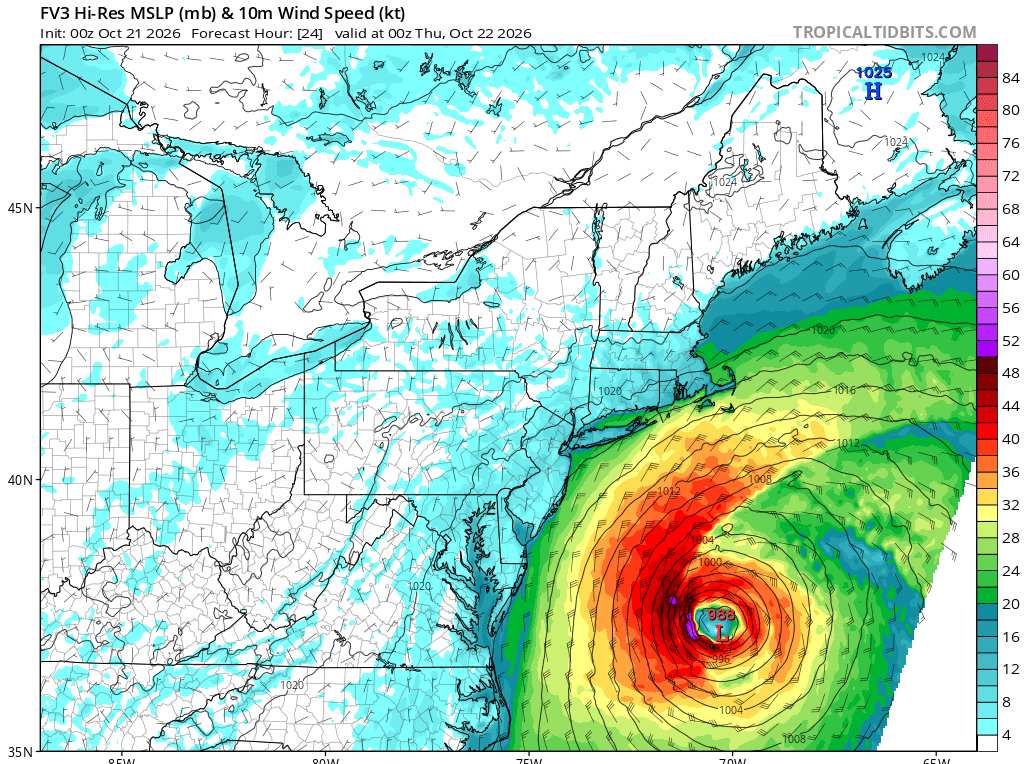 Re: 93L LoungeSome 10-21-0z runs from hurricane and regional models (three of each) for 10-22-0z
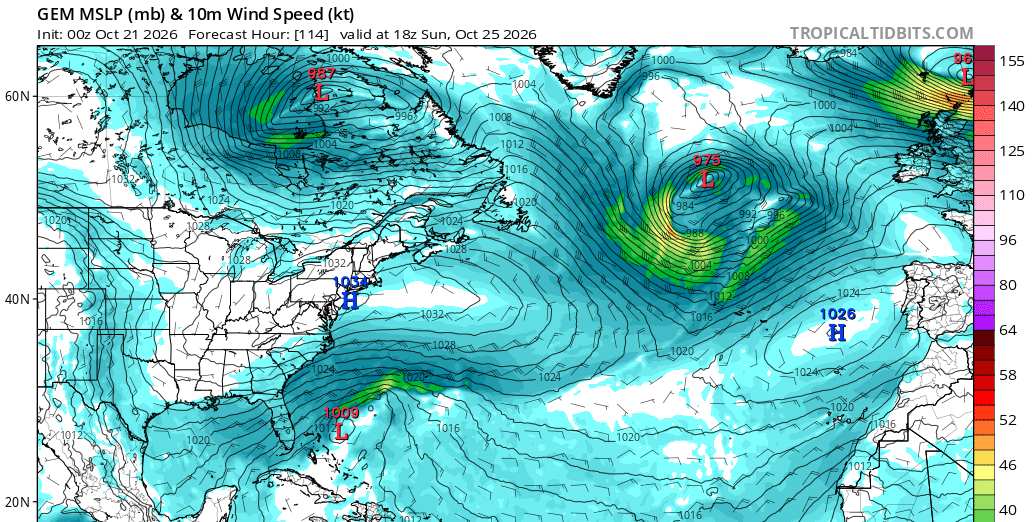 Re: Hybrid system late October east of Florida/north of Bahamas?More Globals are picking up on this now. Conditions for development in the Atlantic basin are, on a relative basis, favorable this month, despite the very strong El Niño, and this potential Area of Interest deserves ...
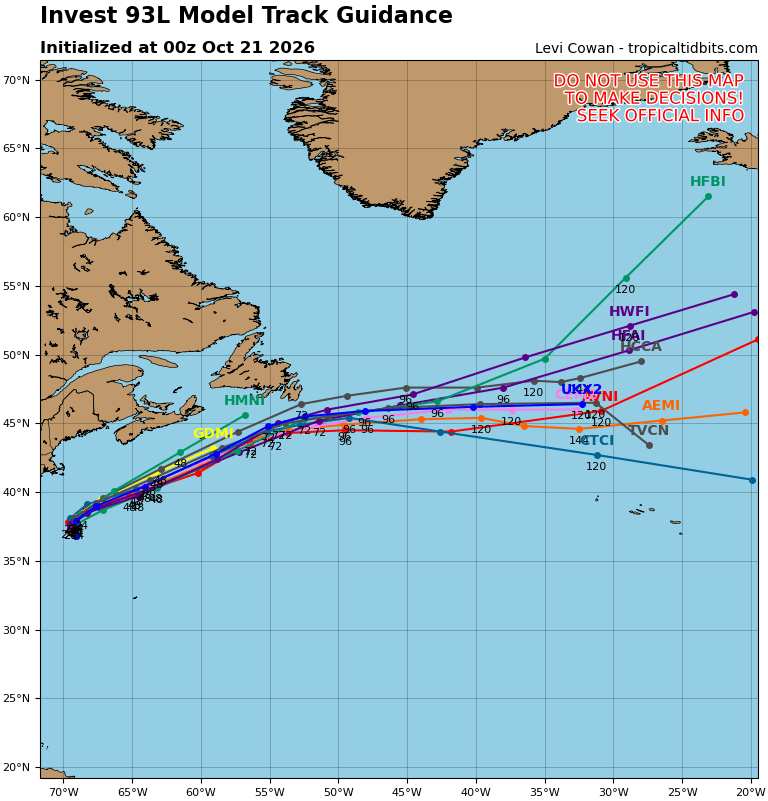 Re: 93L LoungeInvest 93L appears to be rapidly transitioning into a tropical storm tonight and it would not be surprising to see Josephine declared tomorrow morning, if not sooner. Virtually all models and ensembles take it well ou...
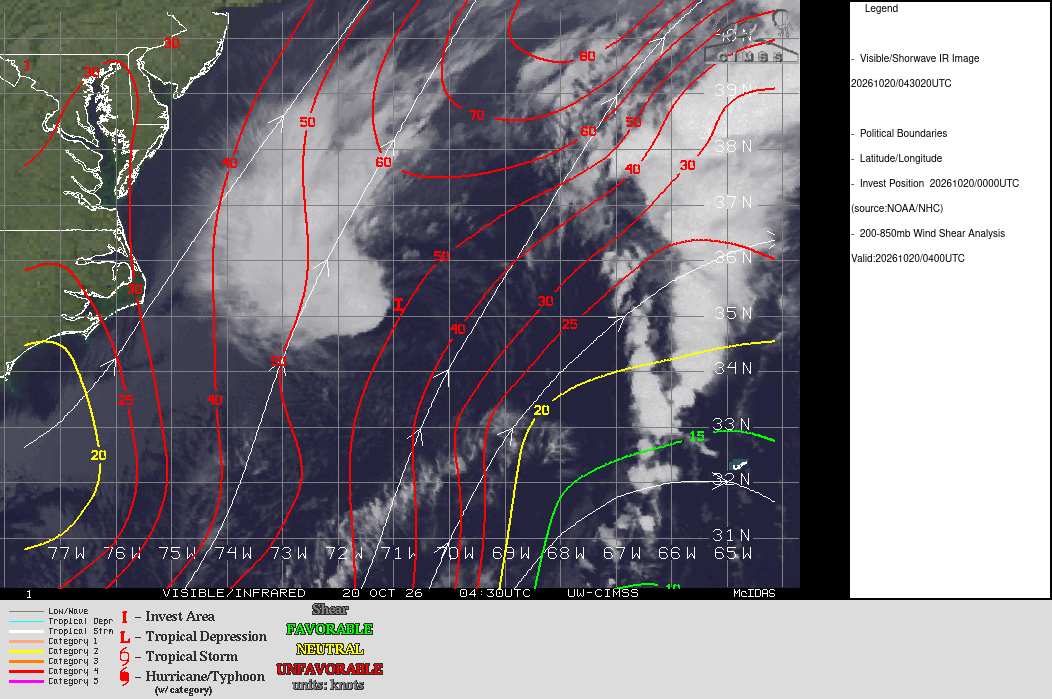 Re: 93L LoungeThat 'little bit of shear' Credit: CIMSS
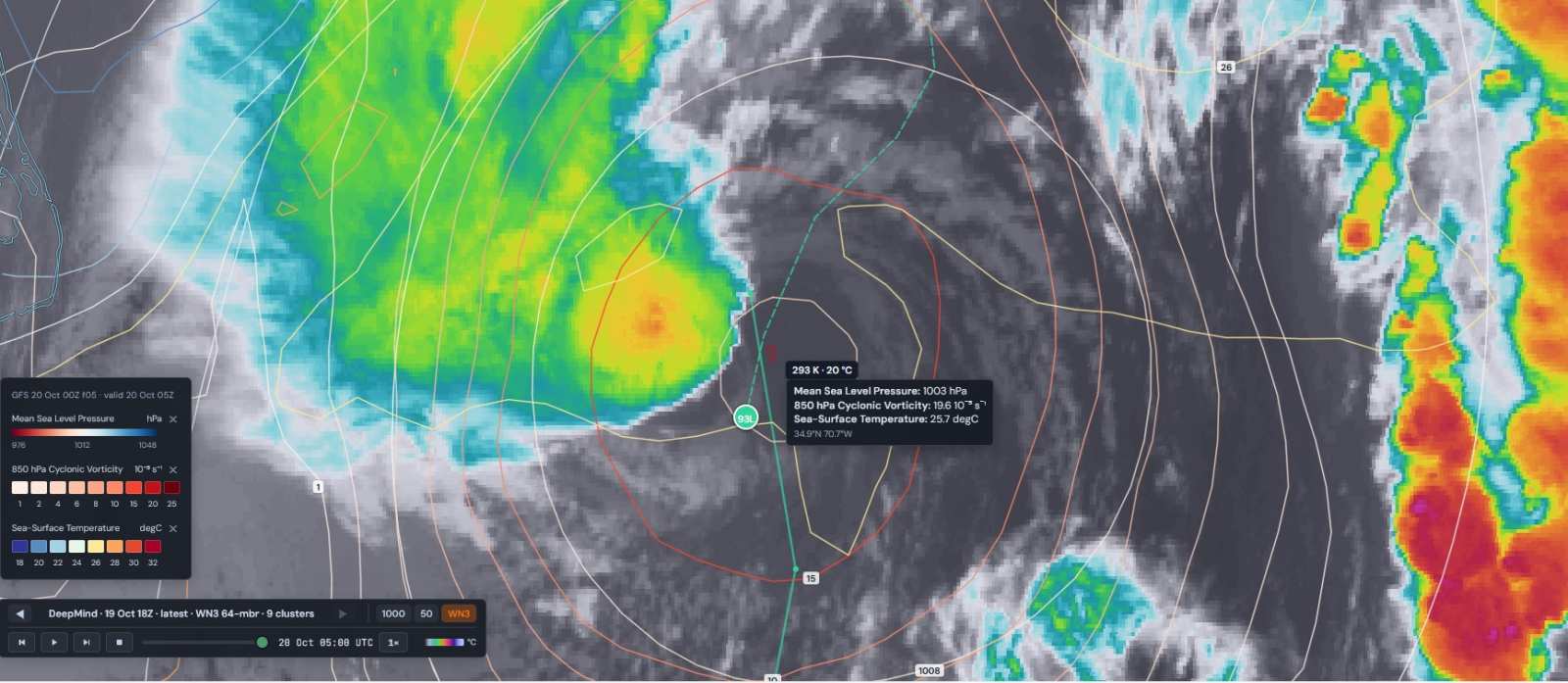 Re: 93L Lounge93L 10-20-26-05z MSLP 850 hPa Vorticity SST analysis overlay atop IR. Image credits: TC-ATLAS The cyclone is trying, but relatively cool SSTs as well as some shear are clearly challenging the attempted transition, so far
General Hurricane Links
A curated collection of official sources, observations, models, and tropical weather commentary. For urgent weather information, always check official government sources first.
Official / Primary
- National Hurricane Center (NHC)
- Inside the Eye — Official NHC Blog
- Storm Forum (community discussion)
Satellite / Observations
- RAMMB Interactive Satellite Imagery
- Zoom Earth (storm tracks and satellite animation)
- CIMSS MIMIC-TC (microwave imagery)
- NRL Monterey (tracking maps and satellite)
- CIMSS Tropical Weather
- NDBC Buoy Data
- Caribbean Weather Observations
- Interactive Wundermap
- Animated Earth Wind View (Tropical Atlantic)
Data / Tracking / SST
- TC ATLAS (Tropical Cyclone Analysis Tool for Live and Archived Structure)
- Best Track FTP (official invest data)
- Full Active Invest / Storm List
- USNO Current Storm Information (includes Google Earth KMZ)
- Global SST Animation · SST Forecast
- NOAA Weather Radio
- Blitzortung Lightning Map
Forecast Models
Commentary / Tools
- Tropical Tidbits (Levi Cowan)
- Hurricanetrack.com (Mark Sudduth)
- Hurricane City (Jim Williams)
- TropicalAtlantic
- Storm2k
- Mike’s WX Page
- Greg Nordstrom
- Gulf Coast Weather
- American Weather
- Crown Weather (Robert Lightbown)
- The Eyewall
- Hurricane Hacker